Natural disasters in Vietnam and the Philippines
An overview of the situation in the Philippines:
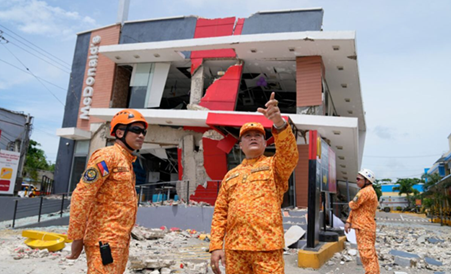
The country was hit particularly hard. On 30 September 2025, a 6.9-magnitude earthquake struck the Cebu region, killing at least 75 people and injuring around 1,200. A total of approximately 170,000 people were affected. Just a few weeks later, Typhoon Tino (Kalmaegi) caused severe flooding, resulting in the deaths of a further 260 people. The population was grappling with destroyed buildings, significant infrastructure damage, flooding and a strained supply situation, leaving many families dependent on emergency humanitarian aid.
This is how we are helping in the Philippines:
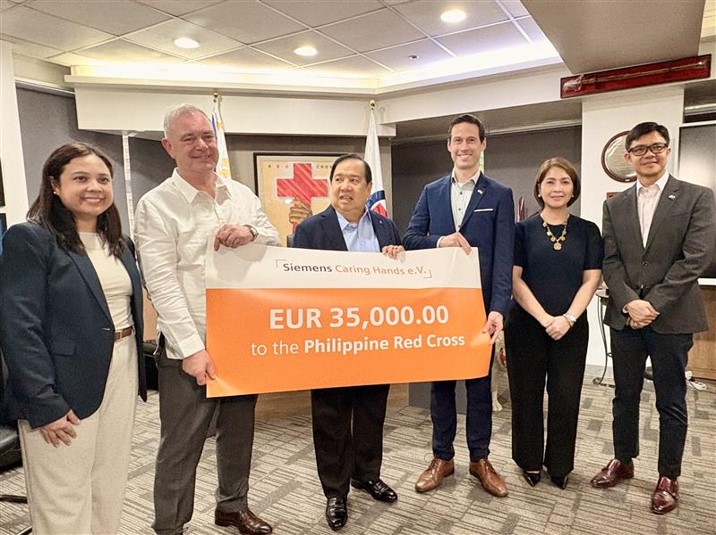
Siemens Caring Hands e.V. supported the Philippine Red Cross in providing comprehensive emergency and transitional aid in Cebu. This included providing initial medical care, setting up mobile health clinics, building emergency shelters, distributing food packages and hygiene and sleeping kits, and setting up sanitation facilities for affected families. In addition, psychosocial services and welfare desks were set up to provide stability, particularly for children and other vulnerable groups, in this exceptional situation. This aid has enabled thousands of people affected by the crisis to cope and gradually return to safe living conditions.
Overview of the situation in Vietnam:
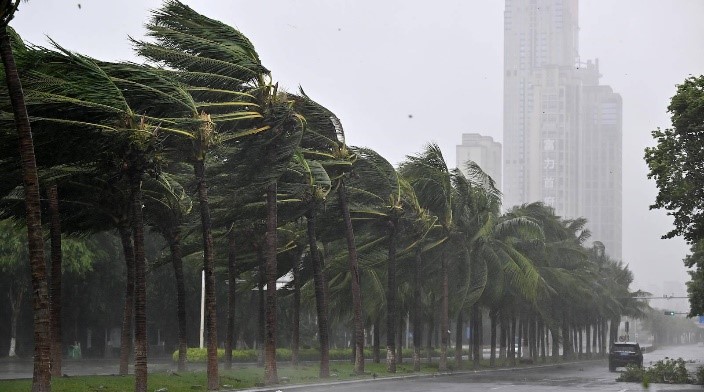
The country was severely affected by two consecutive storms: Typhoon Bualoi and Typhoon Matmo. Persistent, heavy rainfall led to severe flooding and landslides, affecting numerous communities in the north and centre of the country. Infrastructure such as roads, bridges and water systems was badly damaged, leaving some areas temporarily cut off. Shortages of drinking water and healthcare services have further increased the strain on the population, many of whose homes and farms have been significantly damaged.
How we are helping in Vietnam:
In collaboration with the Vietnam Red Cross, Siemens Caring Hands e.V. has supported the delivery of essential aid to affected regions. A key focus was on WASH (water, sanitation and hygiene) initiatives to ensure access to clean drinking water and adequate sanitation and hygiene facilities, thereby preventing the spread of disease. Relief supplies such as food, water, basic care packages and other emergency resources were also provided. This support helped affected families to regain access to safe living conditions, health services and stable daily routines more quickly.